
1c. The Algonkian Tribes
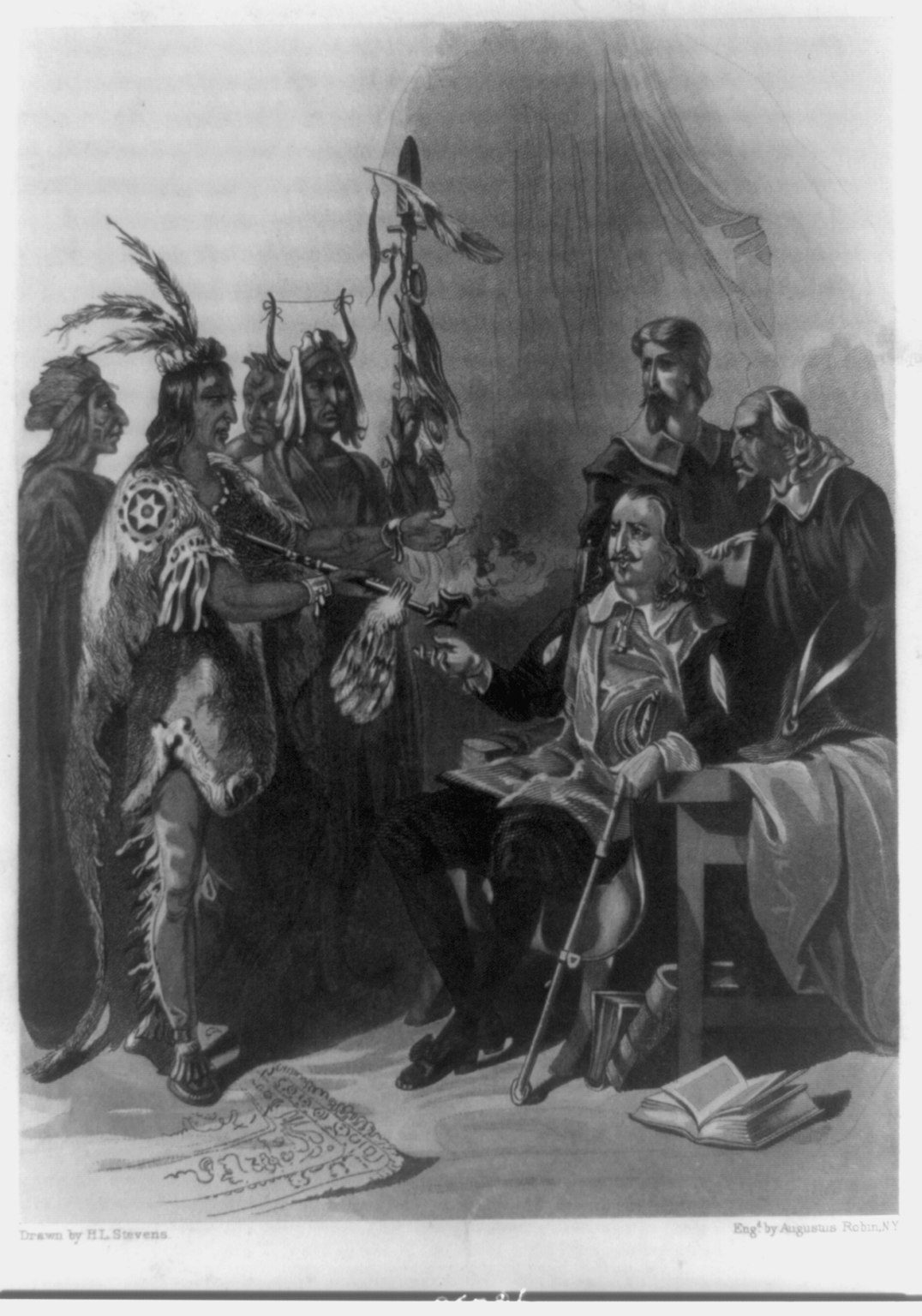
When the British set foot on the North American continent at Jamestown, they encountered the Powhatan Indians. The Pequots and Narragansetts lived in New England as the Pilgrims and Puritans established a new home. William Penn encountered the Leni Lenape natives while settling "Penn's Woods."
Although these tribes have great differences, they are linked linguistically. All of these tribes (or nations) speak an Algonquin language. These Algonkian (or Algonquian) groups were the first the English would encounter as these early settlements began to flourish.
Algonkian or Algonquian
Which word is correct? When anthropologists classified Native American languages, they took all of the languages of the same language family as the Algonkin tribe (also called the Algonquin tribe) and called it the Algonquian or Algonkian language family.
Algonquian and Algonkian both refer to the Algonquin language or to the group of tribes that speak related dialects. Therefore, the Algonquian tribes (including the Delaware, the Narragansetts, the Pequot, and the Wampanoag) are so called because they all speak the Algonkin or Algonquin language.
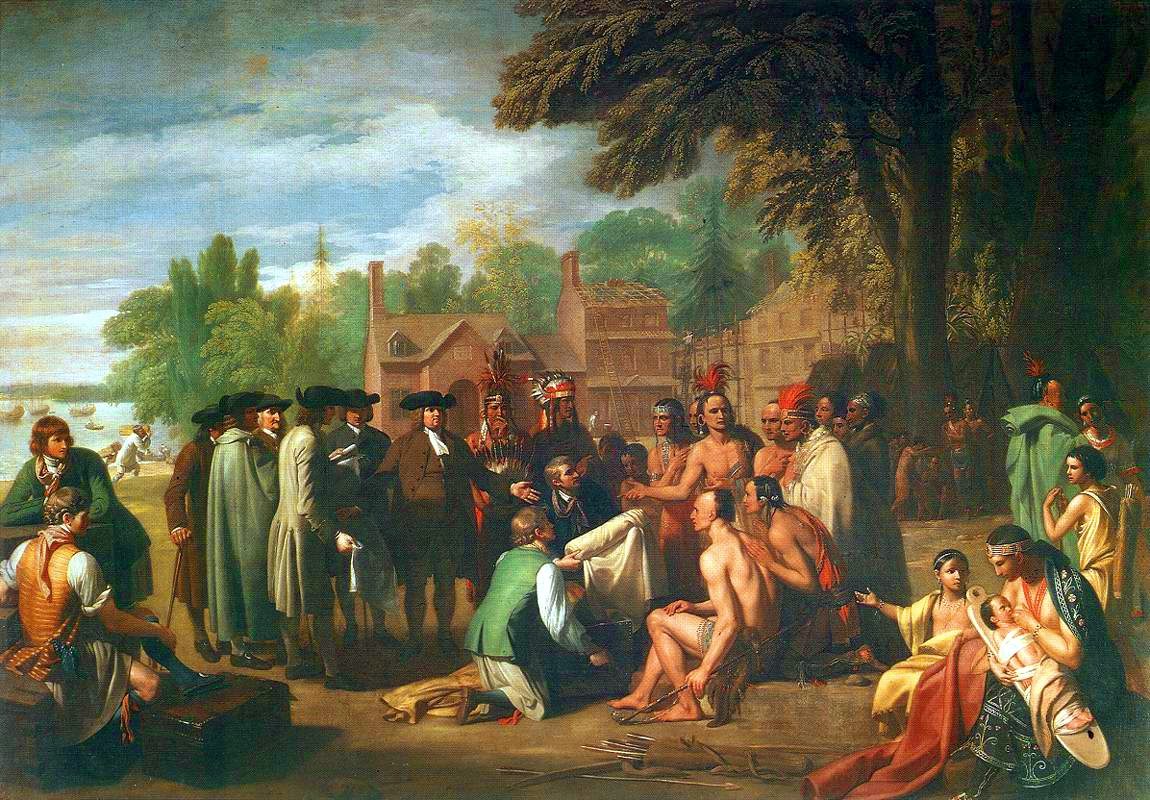
The Algonkians relied as much on hunting and fishing for food as working the land. These tribes used canoes to travel the inland waterways. The bow and arrow brought small and large game, and the spear generated ample supplies of fish for the Algonkian peoples. Corn and squash were a few of the crops that were cultivated all along the eastern seaboard.

Misunderstandings

As the first group to encounter the English, the Algonkians became the first to illustrate the deep cultural misunderstandings between British settlers and Native Americans. British Americans thought Algonquian women were oppressed because of their work in the fields. Algonkian men laughed at the British men who farmed — traditionally work reserved for females. Hunting was a sport in England, so British settlers thought the Algonkian hunters to be unproductive.
The greatest misunderstanding was that of land ownership. In the minds of the Algonkians selling land was like selling air. Eventually this confusion would lead to armed conflict.
The Powhatan Confederacy
The Powhatan organized a confederacy. Virginians were met with strong resistance as they plunged westward. In New England, Wampanoags under the leadership of Metacomet fought with Puritan farmers over the encroachment west onto Indian land. The pacifist Quakers were notable exceptions. Pennsylvania refused to raise a militia against the Indians for as long as Quakers dominated the government.
Unfortunately, the good times between the groups were few. The marriage of Pocahontas to John Rolfe and the first Thanksgiving with the Puritans did little to prevent the fighting. In most cases, each side regarded the other with fear and suspicion.