
46d. Flappers
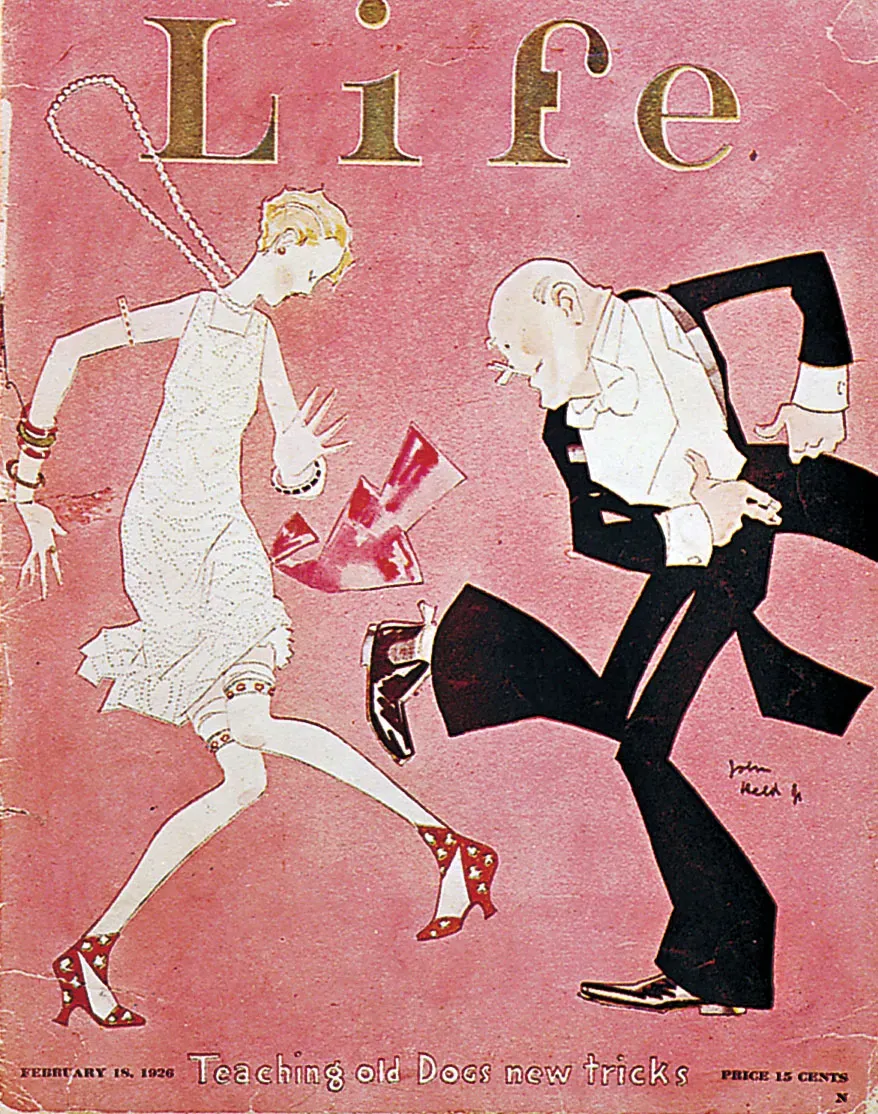 More than any other illustrator, John Held Jr.'s comic art captured the style and exuberant tenor of the "Decade that Roared."
The battle for suffrage was finally over. After a 72-year struggle, women had won the precious right to vote. The generations of suffragists that had fought for so long proudly entered the political world. Carrie Chapman Catt carried the struggle into voting awareness with the founding of the League of Women Voters. Alice Paul vowed to fight until an Equal Rights Amendment was added to the Constitution. Margaret Sanger declared that female independence could be accomplished only with proper birth control methods. To their dismay, the daughters of this generation seemed uninterested in these grand causes. As the 1920s roared along, many young women of the age wanted to have fun.
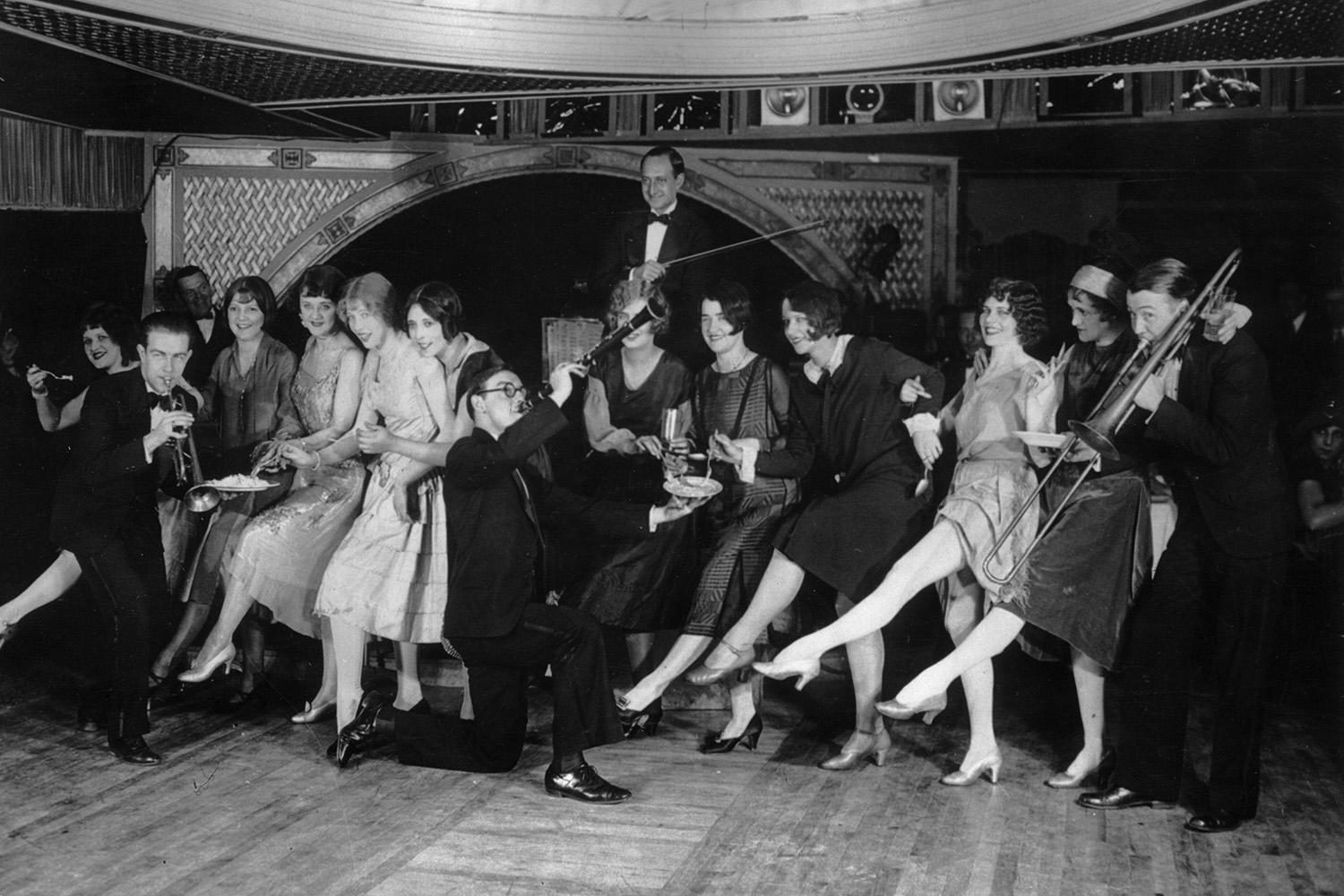
Life of the Flappers
Flappers were northern, urban, single, young, middle-class women. Many held steady jobs in the changing American economy. The clerking jobs that blossomed in the Gilded Age were more numerous than ever. Increasing phone usage required more and more operators. The consumer-oriented economy of the 1920s saw a burgeoning number of department stores. Women were needed on the sales floor to relate to the most precious customers — other women. But the flapper was not all work and no play.
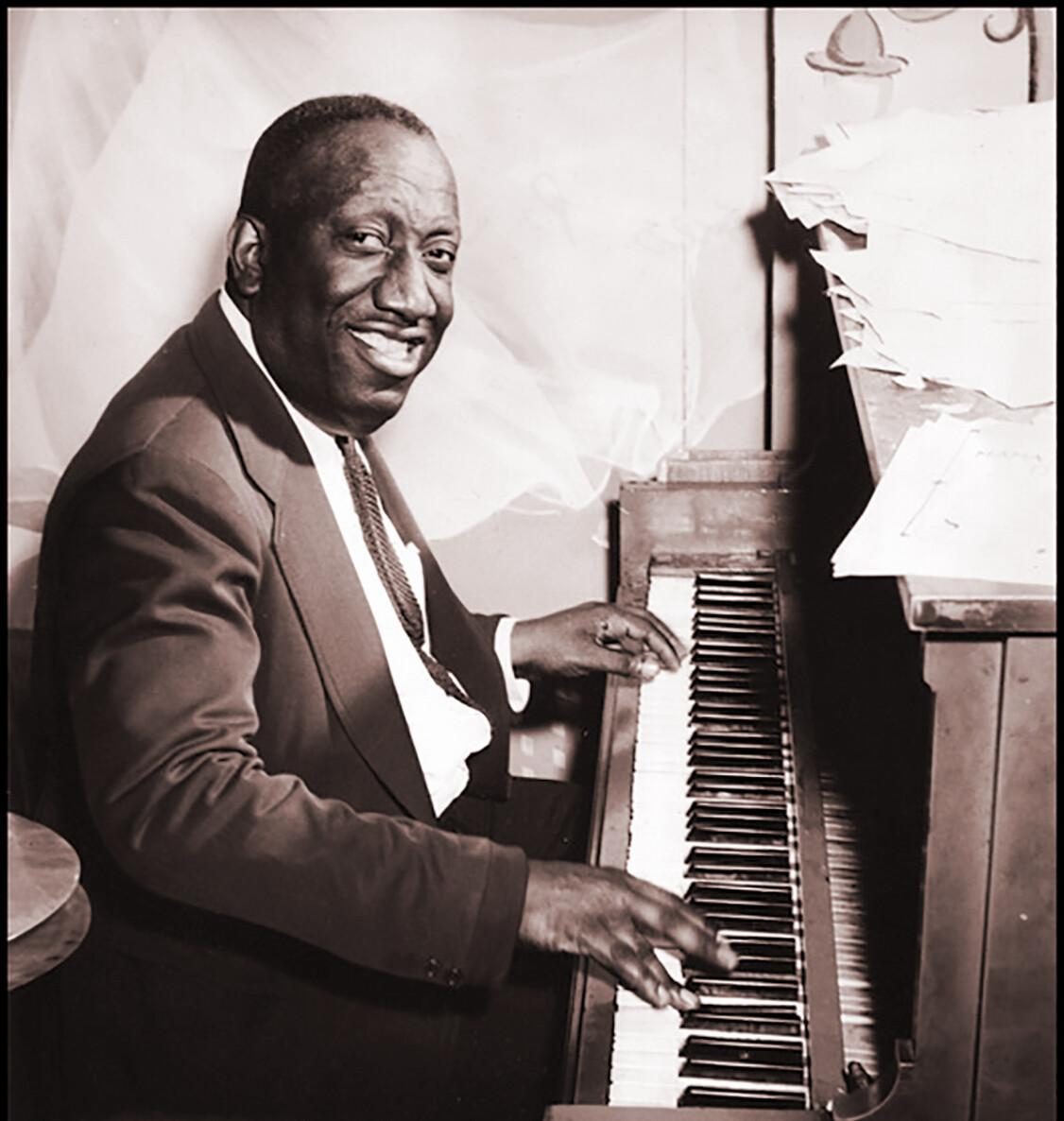
By night, flappers engaged in the active city nightlife. They frequented jazz clubs and vaudeville shows. Speakeasies were a common destination, as the new woman of the twenties adopted the same carefree attitude toward prohibition as her male counterpart. Ironically, more young women consumed alcohol in the decade it was illegal than ever before. Smoking, another activity previously reserved for men, became popular among flappers. With the political field leveled by the Nineteenth Amendment, women sought to eliminate social double standards. Consequently, the flapper was less hesitant to experiment sexually than previous generations. Sigmund Freud's declaration that the libido was one of the most natural of human needs seemed to give the green light to explore.
The Flapper Look
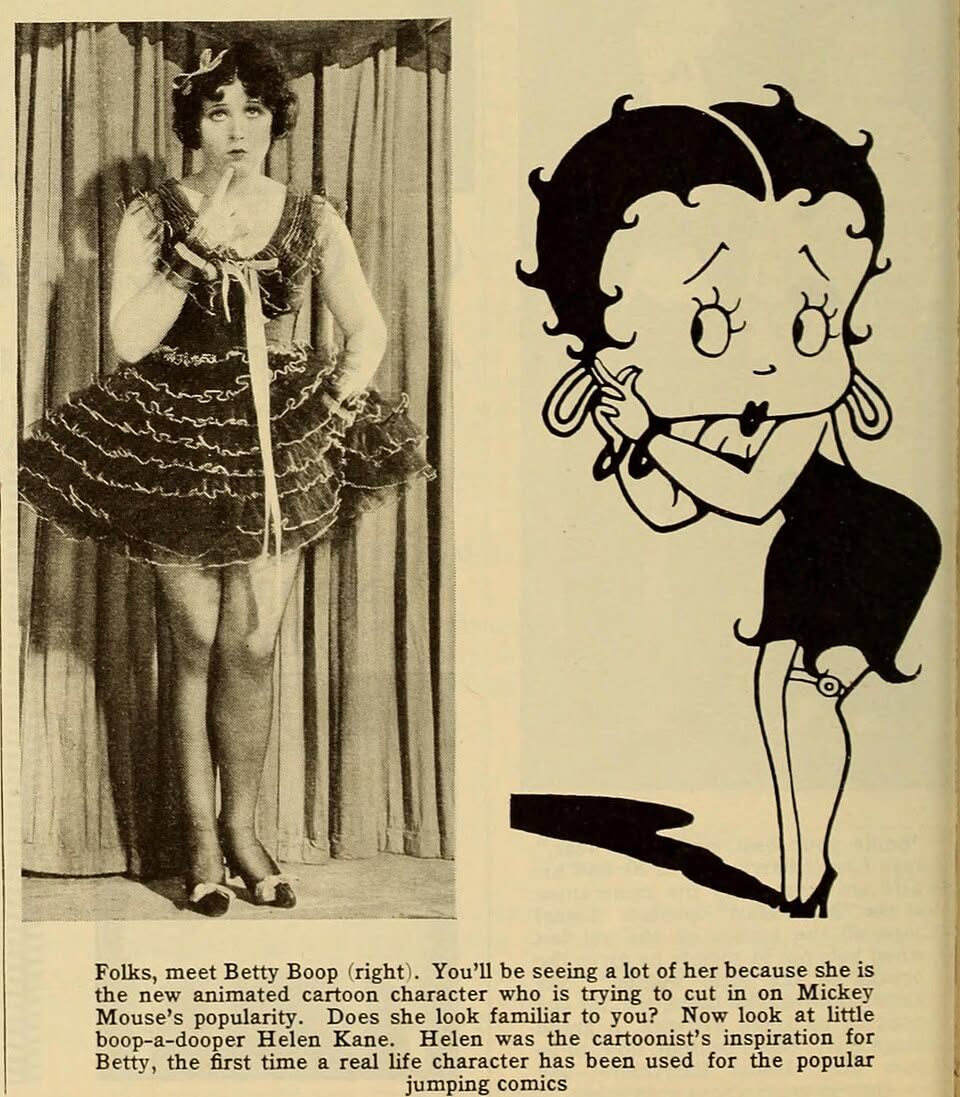
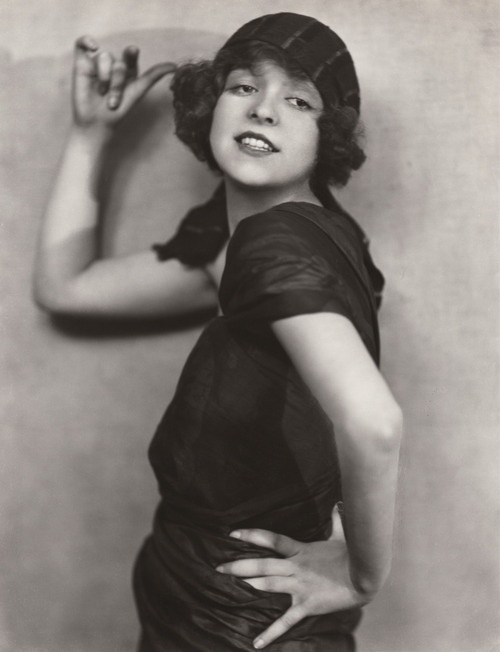
The flapper had an unmistakable look. The long locks of Victorian women lay on the floors of beauty parlors as young women cut their hair to shoulder length. Hemlines of dresses rose dramatically to the knee. The cosmetics industry flowered as women used make-up in large numbers. Flappers bound their chests and wore high heels. Clara Bow, Hollywood's "It" Girl, captured the flapper image for the nation to see.
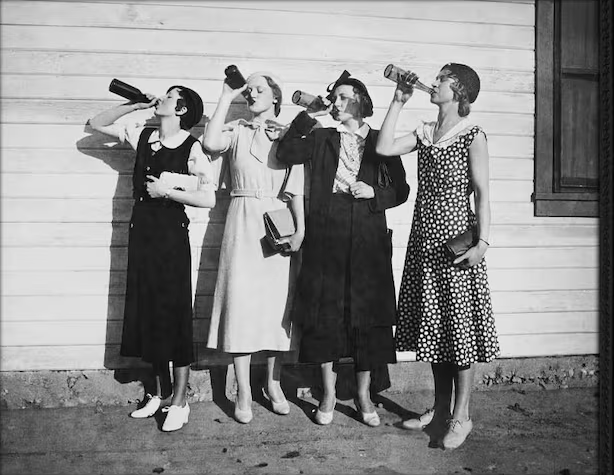
Many women celebrated the age of the flapper as a female declaration of independence. Experimentation with new looks, jobs, and lifestyles seemed liberating compared with the socially silenced woman in the Victorian Age. The flappers chose activities to please themselves, not a father or husband. But critics were quick to elucidate the shortcomings of flapperism. The political agenda embraced by the previous generation was largely ignored until the feminist revival of the 1960s. Many wondered if flappers were expressing themselves or acting like men. Smoking, drinking, and sexual experimentation were characteristic of the modern young woman. Short hair and bound chests added to the effect. One thing was certain: Despite the potential political and social gains or losses, the flappers of the 1920s sure managed to have a good time.