33b. Strengths and Weaknesses: North vs. South
Within days of the fall of Fort Sumter, four more states joined the Confederacy: Virginia, North Carolina, Tennessee, and Arkansas. The battle lines were now drawn.
On paper, the Union outweighed the Confederacy in almost every way. Nearly 21 million people lived in 23 Northern states. The South claimed just 9 million people — including 3.5 million slaves — in 11 confederate states. Despite the North's greater population, however, the South had an army almost equal in size during the first year of the war.
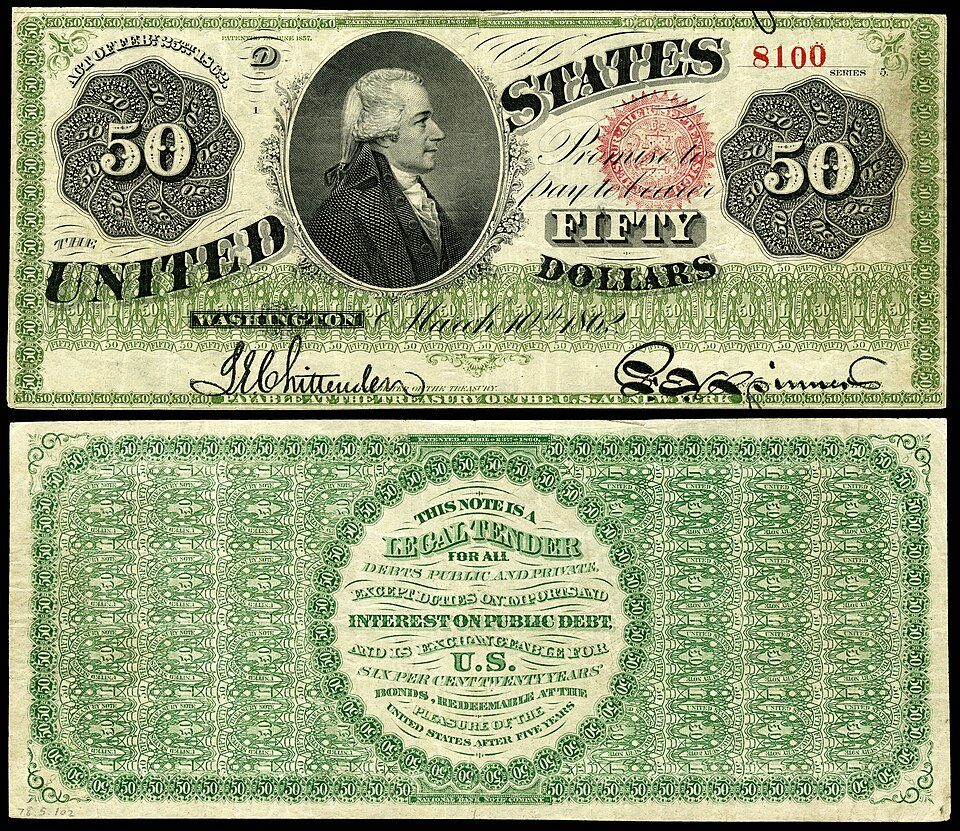
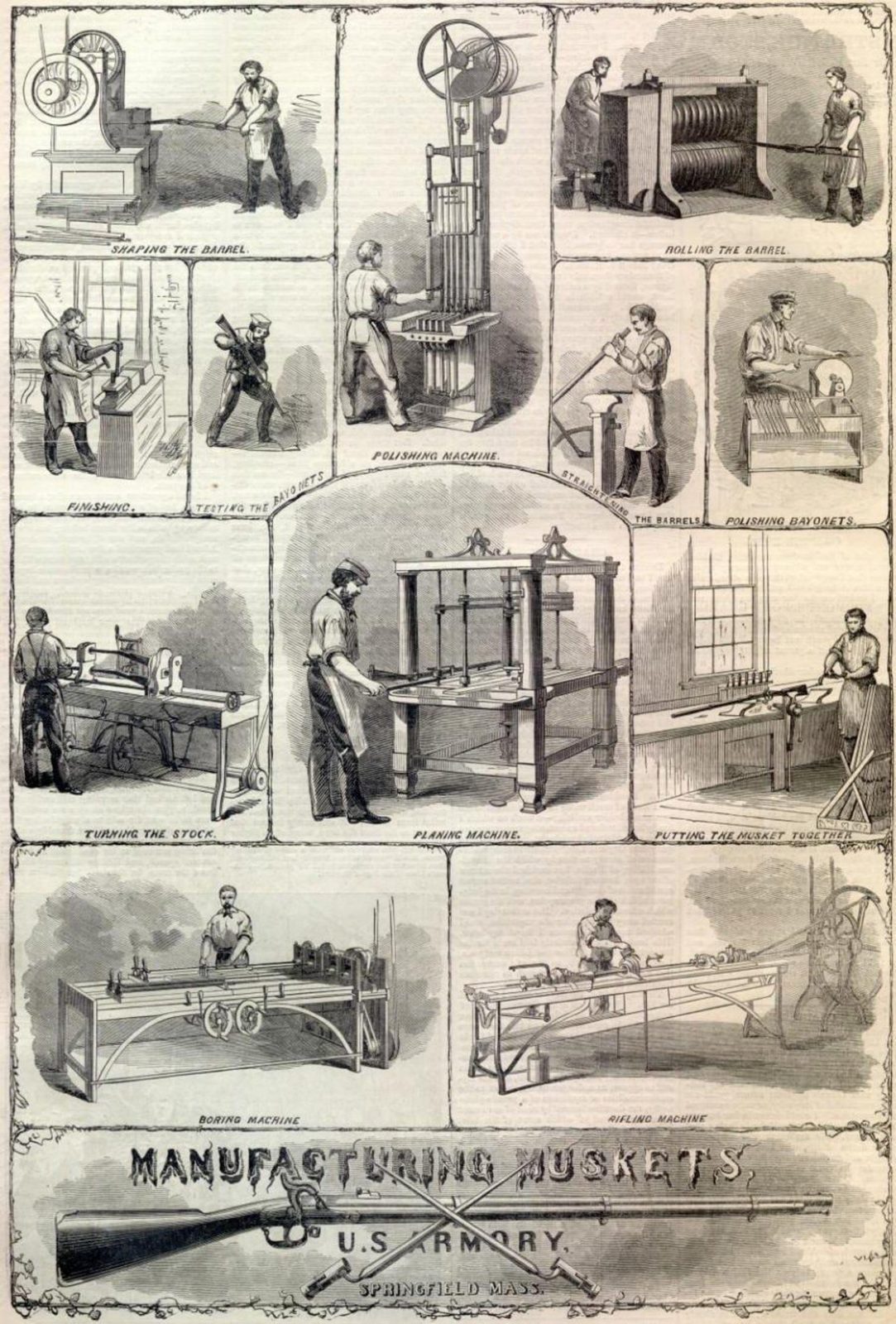
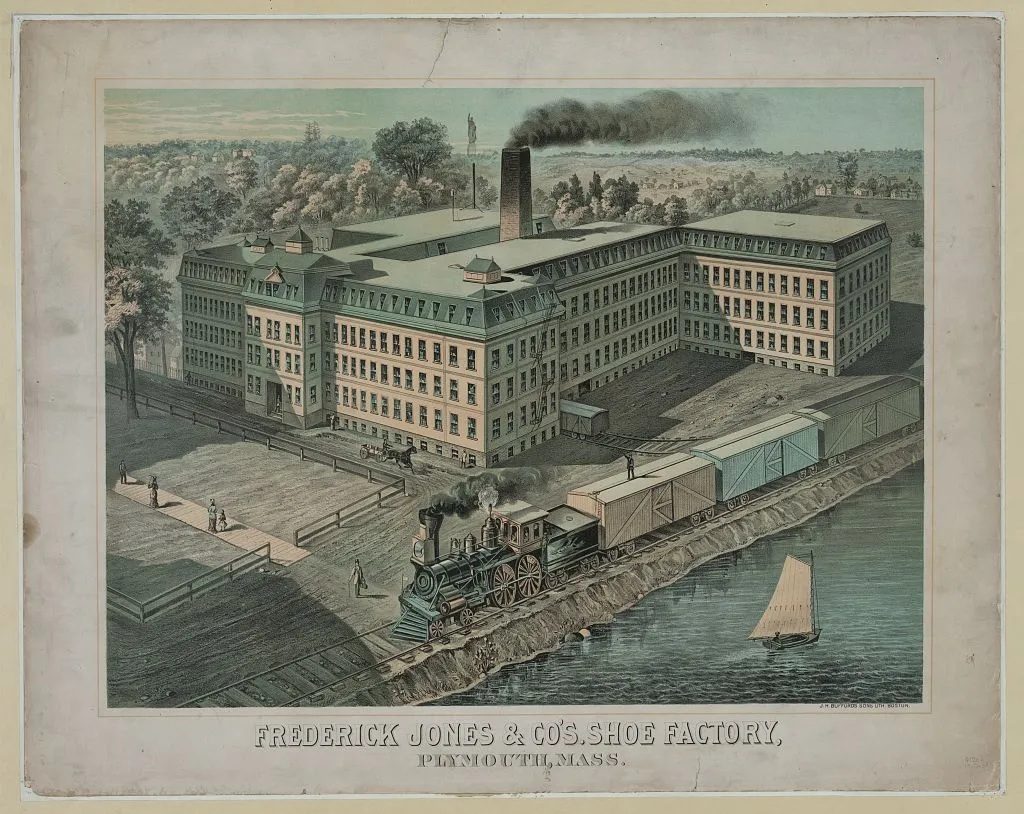
The North had an enormous industrial advantage as well. At the beginning of the war, the Confederacy had only one-ninth the industrial capacity of the Union. But that statistic was misleading. In 1860, the North manufactured 97 percent of the country's firearms, 96 percent of its railroad locomotives, 94 percent of its cloth, 93 percent of its pig iron, and over 90 percent of its boots and shoes. The North had twice the density of railroads per square mile. There was not even one rifleworks in the entire South.
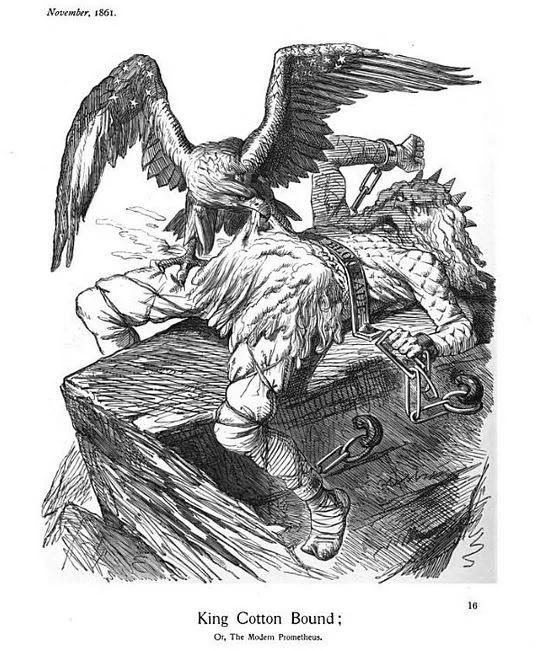
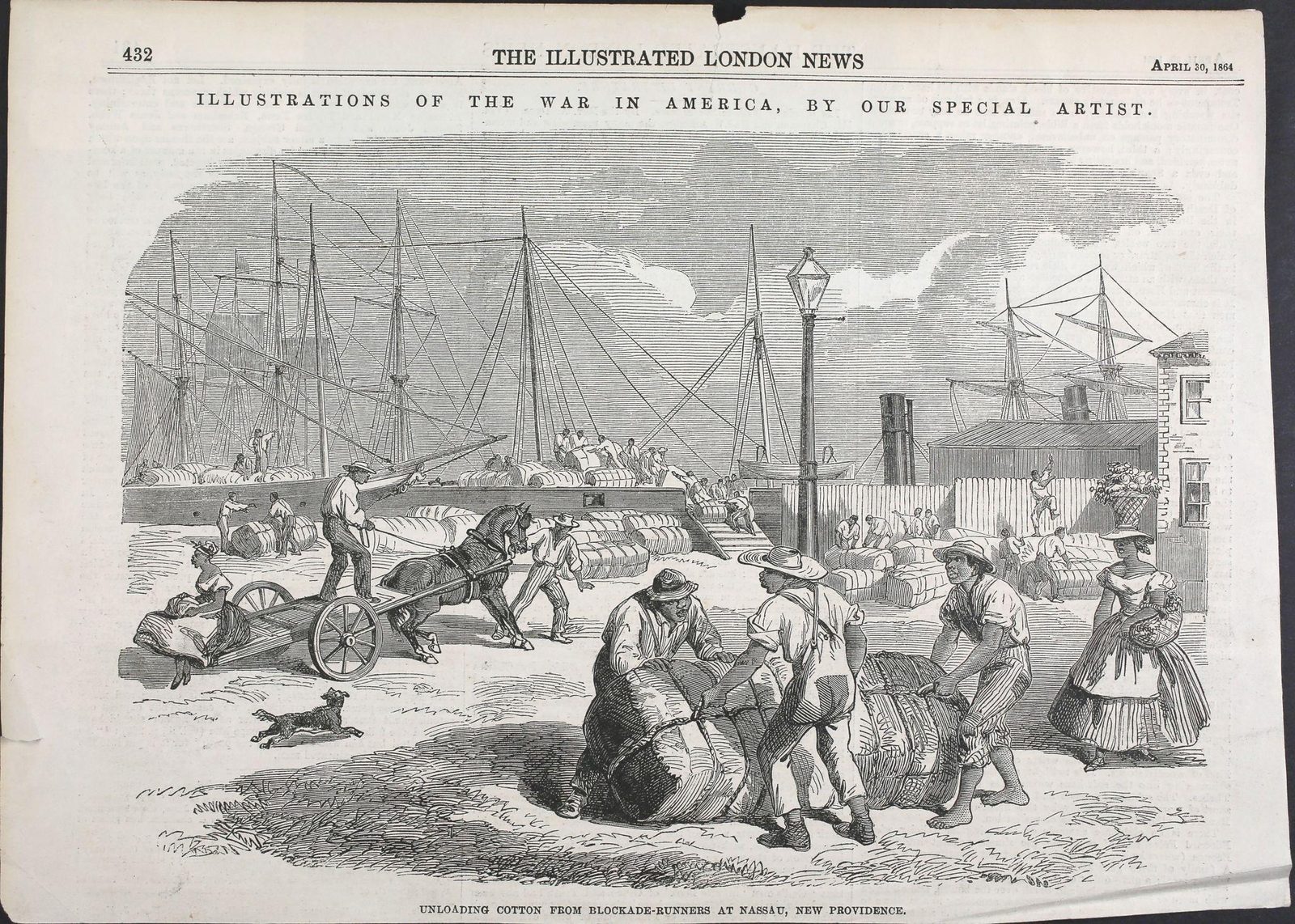
All of the principal ingredients of gunpowder were imported. Since the North controlled the navy, the seas were in the hands of the Union. A blockade could suffocate the South. Still, the Confederacy was not without resources and willpower.
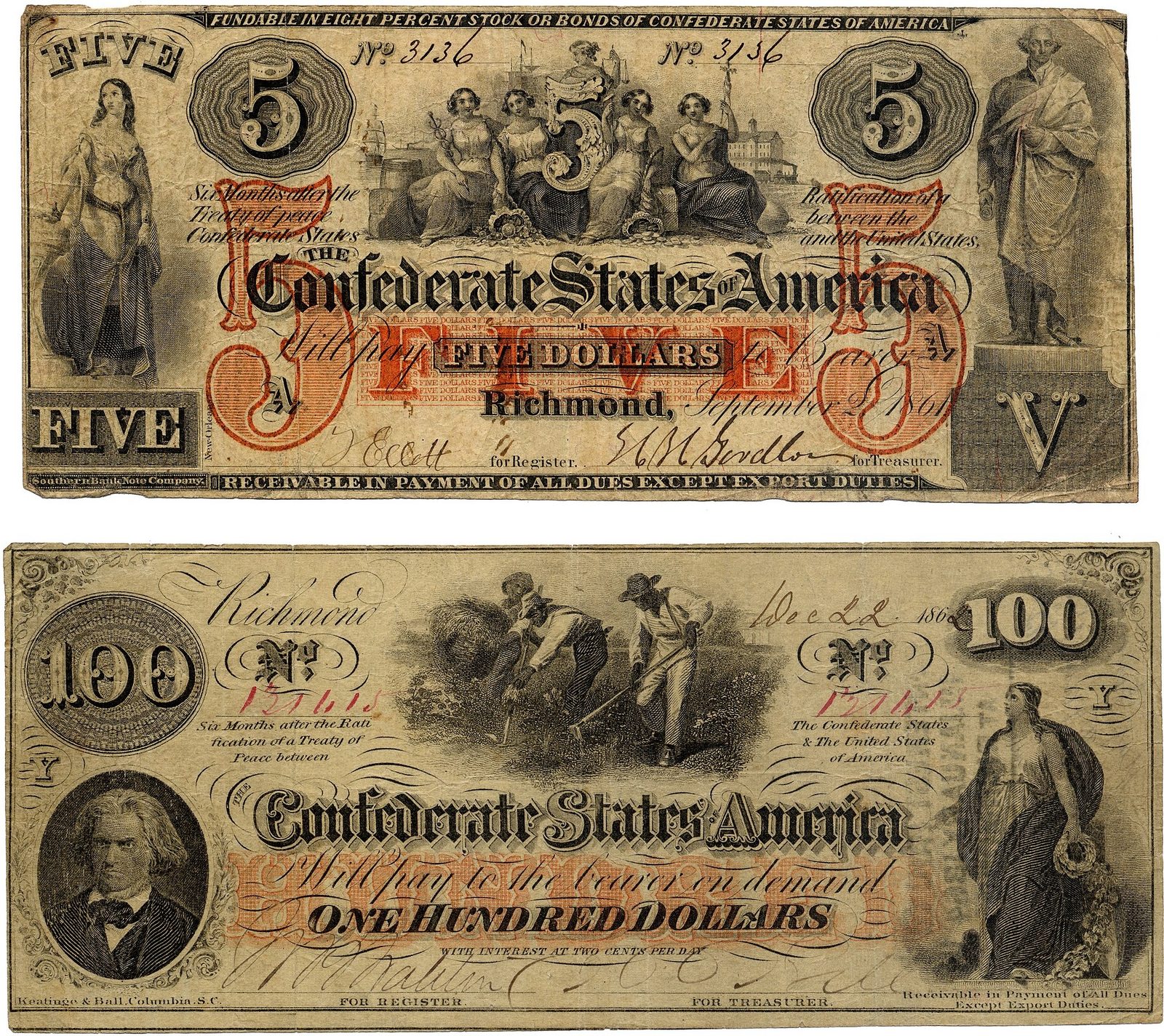
The South could produce all the food it needed, though transporting it to soldiers and civilians was a major problem. The South also had a great nucleus of trained officers. Seven of the eight military colleges in the country were in the South.
The South also proved to be very resourceful. By the end of the war, it had established armories and foundries in several states. They built huge gunpowder mills and melted down thousands of church and plantation bells for bronze to build cannon.
The South's greatest strength lay in fighting a defensive war on familiar ground. Confederate armies could take advantage of local knowledge, interior lines of communication, and the ability to choose favorable terrain on which to fight.
The military and political objectives of the Union were much more difficult to accomplish. The Union had to invade, conquer, and occupy the South. It had to destroy the South's capacity and will to resist — a formidable challenge in any war.
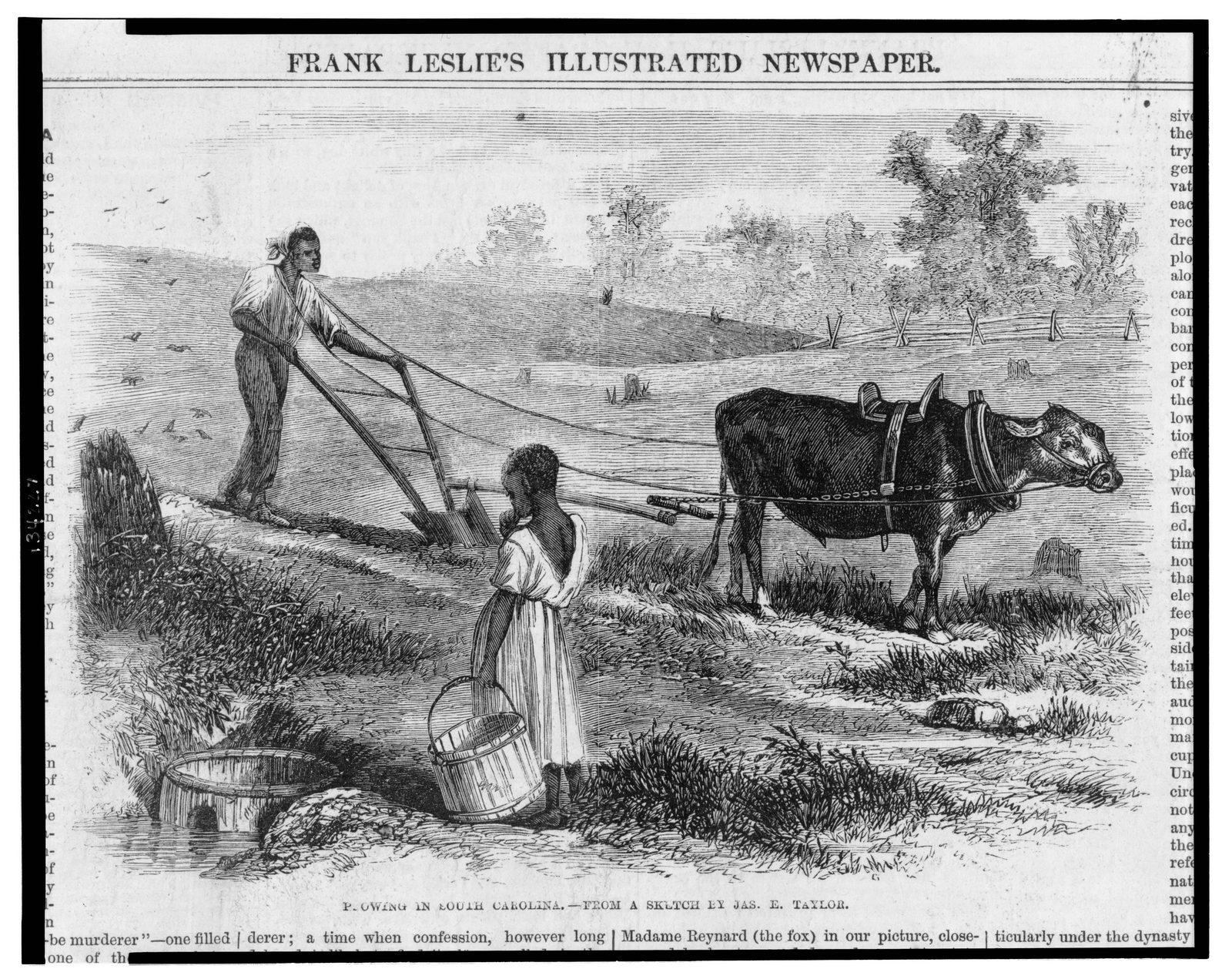
Southerners enjoyed the initial advantage of morale: The South was fighting to maintain its way of life, whereas the North was fighting to maintain a union. Slavery did not become a moral cause of the Union effort until Lincoln announced the Emancipation Proclamation in 1863.
When the war began, many key questions were still unanswered. What if the slave states of Maryland, Kentucky, Missouri, and Delaware had joined the Confederacy? What if Britain or France had come to the aid of the South? What if a few decisive early Confederate victories had turned Northern public opinion against the war?
Indeed, the North looked much better on paper. But many factors undetermined at the outbreak of war could have tilted the balance sheet toward a different outcome.